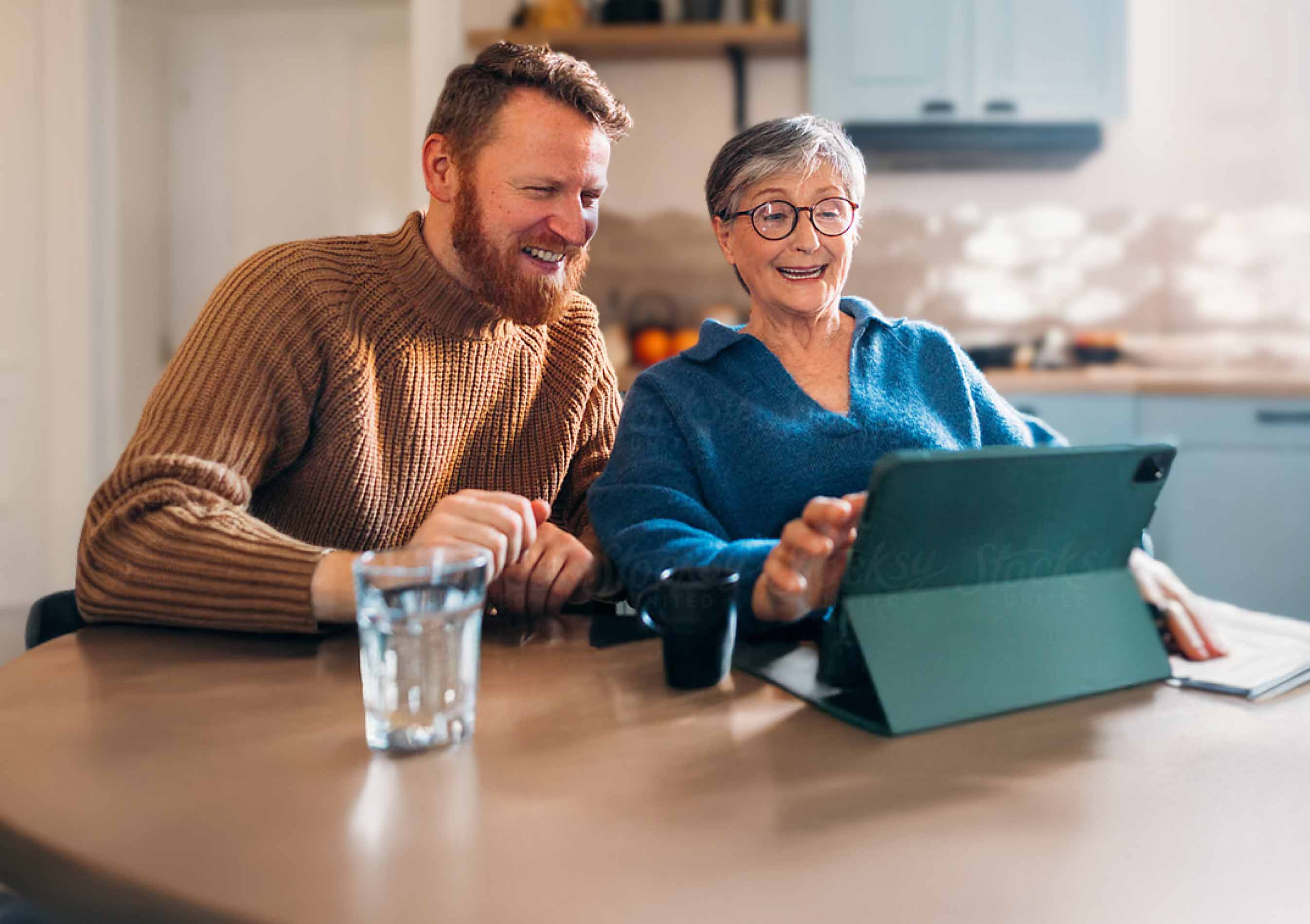
Quality of life is a broad concept that describes how good or satisfying a person’s overall life is—not just financially, but emotionally, physically, and socially.
It combines both objective factors (things you can measure) and subjective factors (how you personally feel about your life). NFBPWC supports policies that improve the quality of life of all working women.
GET THE FACTS
In 2024 there were 771,480 homeless people in the United States, an 18% increase over 2023.
Approximately 1 in 4 American adults provide caregiving to 59 million adults and 4 million children under 18.
Women perform over 75% of the world’s unpaid care work. For a total of 12.5 billion hours daily with a value of approximately $10.8 trillion annually.
KEY ASPECTS OF QUALITY OF LIFE
Physical health – freedom from illness, access to healthcare, energy levels
Work-life balance – time for rest, hobbies, and personal life
Education and opportunities – ability to learn, grow, and pursue goals
Environment – safety, clean air, housing, access to nature
Relationships – family, friendships, social support
Mental and emotional well-being – happiness, stress levels, sense of purpose
Dependent care refers to the support and services provided to someone who cannot fully take care of
themselves and relies on another person for daily needs.
Who counts as a dependent?
A dependent is usually someone who relies on you financially and/or physically, such as:
Children (under 18)
Elderly parents or relatives
People with disabilities or chronic conditions
What does dependent care include?
Dependent care can cover a wide range of help, including:
Summer Food Service Program- children get nutritious meals during summer
Child and Adult Care Food Program - meals and snacks to children and daycare
Equal Participation of Women and Men in Power and Decision-Making Roles.
NFBPWC is a national organization with membership across the United States acting locally, nationally and globally. NFBPWC is not affiliated with BPW/USA Foundation.